
By using our website, you agree to the use of cookies as described in our Cookie Policy
Is It Time to Upgrade Your Payment System?
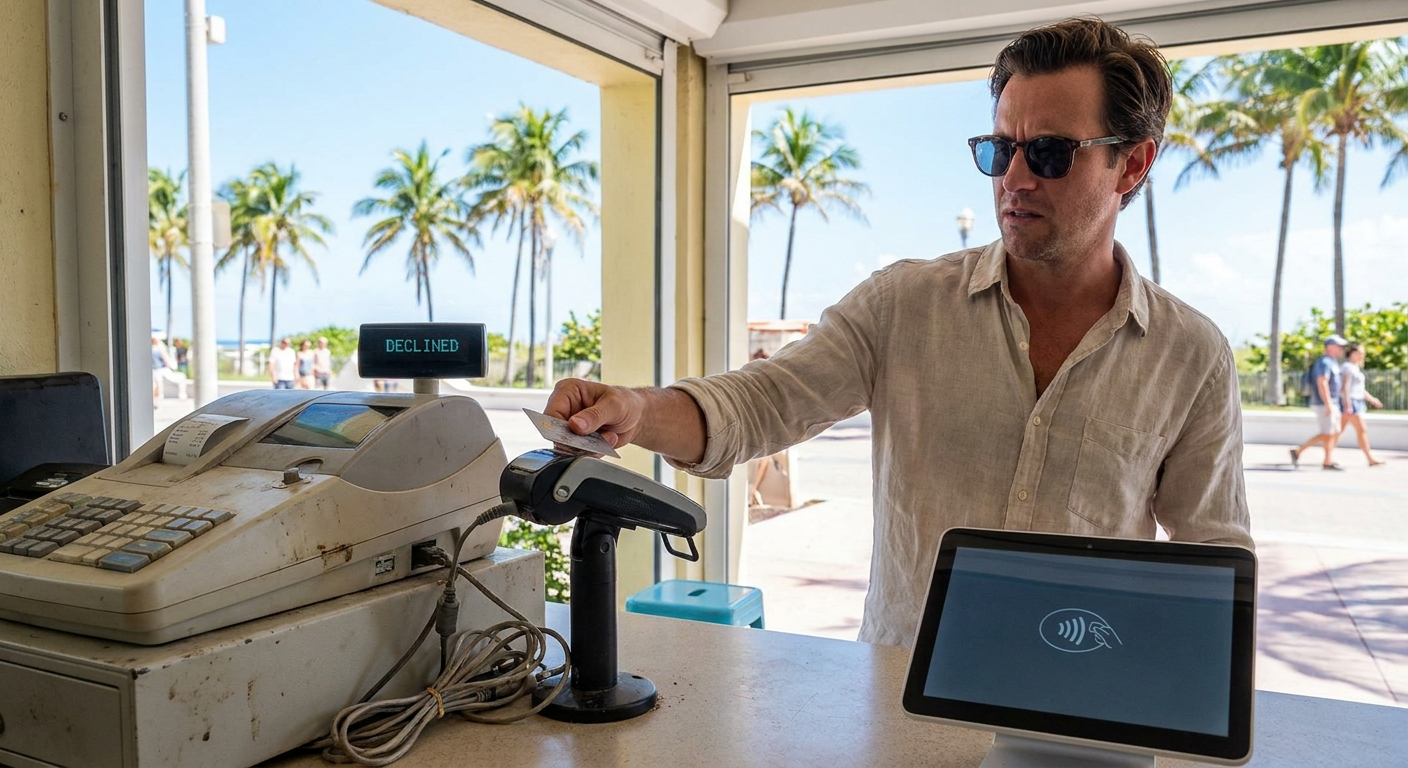
Most business owners assume their payment setup is fine until something breaks. A declined card. A slow terminal. A customer who walks because you don't take Apple Pay. But by then, you've already lost the sale — and maybe the relationship. Your payment system isn't just backend infrastructure. It's the last impression before money changes hands, and if that moment feels clunky or outdated, people notice.
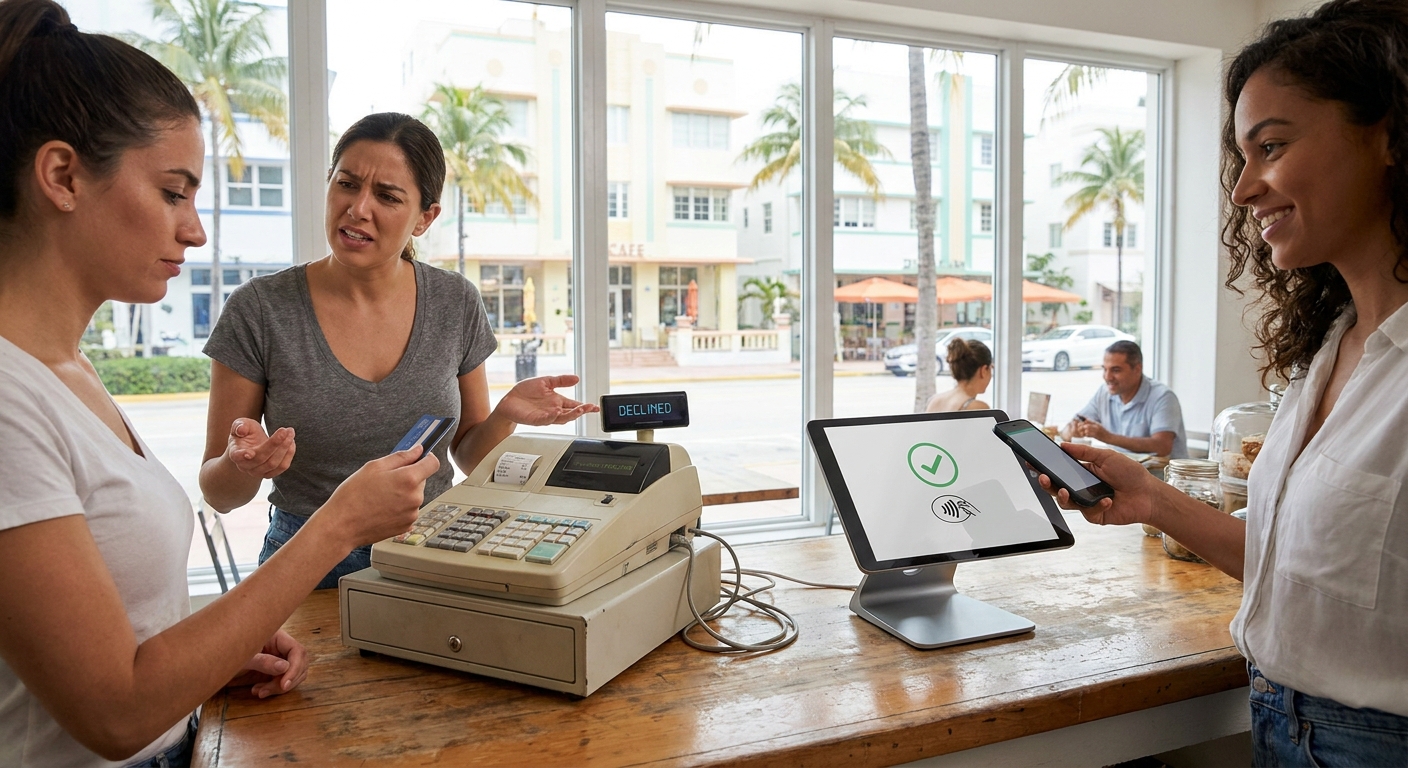
We're not talking about chasing every shiny new feature. We're talking about knowing when your current setup is costing you more than it's worth. Whether that's in lost transactions, security gaps, or time wasted reconciling systems that don't talk to each other. If you're still swiping cards on hardware from 2015 or manually entering sales into three different platforms, you're working harder than you need to.
The Cracks Start Small
Your system doesn't collapse overnight. It starts with minor friction — a laggy checkout screen, a payment type you can't accept, a integration that never quite syncs right. Those annoyances compound. Customers get impatient. Staff get frustrated. And you're left troubleshooting instead of running your business.
Here's what usually signals it's time for a change:
- Transactions crawl through at a pace that makes people pull out their phones while they wait
- You're turning away business because you can't process digital wallets or tap-to-pay
- The system goes down more often than it should, and you're left apologizing to customers
- Security updates are either nonexistent or require manual patches you keep putting off
- Your payment platform lives in its own silo, disconnected from inventory, accounting, or customer data
- Processing fees are eating into margins because you're locked into an old contract with bad terms
What You Gain When You Move Forward
Upgrading isn't just about avoiding problems. It's about unlocking capability. A modern payment system should make your operation smoother, your data cleaner, and your customers happier. When the tech works the way it's supposed to, you stop thinking about it — and that's exactly the point.
Here's what we've seen businesses get back when they finally pull the trigger:
- Checkout becomes faster and more flexible, which means fewer abandoned carts and happier repeat buyers
- Security tightens up with encryption, tokenization, and compliance baked in — not bolted on later
- Data flows between systems automatically, cutting down on double entry and reconciliation headaches
- Real-time reporting gives you visibility into what's selling, when, and how customers are paying
- The platform grows with you, handling new locations, channels, or payment methods without a full rebuild
What Actually Matters in a New System
Not all payment platforms are built the same. Some are designed for high-volume retail. Others are tuned for service businesses or online storefronts. The trick is finding one that fits how you operate — not how a sales rep thinks you should.
Here's what to prioritize when you're evaluating options:
- The ability to process payments across in-person, online, and mobile channels without switching platforms
- Strong security protocols that meet or exceed PCI DSS standards and protect customer data by default
- Native integrations with the tools you already use for inventory, bookkeeping, and customer management
- Customization that lets you adjust workflows, reporting, and user permissions to match your setup
- Transparent pricing with no surprise fees buried in the fine print or charged quarterly
- Support that's responsive when things go sideways, not just during business hours three time zones away
The Switch Doesn't Have to Hurt
We get it — changing payment systems sounds like a nightmare. Downtime, retraining, integration bugs. But when it's planned right, the transition is manageable. You start by mapping out what's broken and what you actually need. Then you test, train, and go live in stages so nothing falls apart all at once.
The businesses that struggle are the ones who flip the switch without prep. The ones who succeed take time to brief their team, notify customers if needed, and run parallel systems for a week or two to catch issues before they become public problems. It's not glamorous, but it works. Many businesses find value in working with experts who can guide them through switching credit card processors smoothly.
Better Tools Mean Better Business
Your payment system should fade into the background. It should be reliable, secure, and fast enough that neither you nor your customers have to think about it. When it becomes the thing slowing you down or scaring off sales, it's no longer doing its job. Upgrading isn't about keeping up with trends — it's about removing friction, protecting data, and making every transaction as smooth as it should be. The longer you wait, the more it costs you in ways that don't show up on a monthly statement. Modern point-of-sale systems and comprehensive fraud prevention measures can help ensure your business stays competitive and secure.
Let's Make Payments Effortless
We believe your payment system should work for you, not against you. If you're ready to stop losing sales to outdated tech and want a solution that keeps your business moving forward, let's talk about how we can help. Call us at 866-944-3244 or contact us today to get started on a smoother, smarter payment experience.
‹ Back