

By using our website, you agree to the use of cookies as described in our Cookie Policy
Is Your South Florida Loyalty Program Driving Repeat Sales?
Most South Florida businesses think loyalty programs are just about points and perks. Sign them up, hand out rewards, watch them come back. But the reality is messier than that — and if you're not tracking what actually moves the needle, you're burning budget on goodwill that doesn't convert. A program might look active on paper, but that doesn't mean it's driving revenue. Especially if customers are enrolled but not engaged, or redeeming rewards without increasing their spend.

Here's what matters. If you're investing in a loyalty strategy to build something sustainable, that's smart. Just don't assume enrollment equals loyalty. Every reward should tie back to behavior. Every incentive needs to push frequency or basket size. And every decision should be grounded in what customers actually do — not just what they say they want or what sounds good in a pitch deck.
When Loyalty Doesn't Mean What You Think It Does
Most of the time, a loyalty program won't fail outright. Customers will sign up, maybe even use it once or twice. But that's not the same as driving repeat sales. You need more than passive participation — you need active engagement tied to measurable outcomes. The difference between a program that works and one that wastes money is whether it changes purchasing behavior or just rewards what was already happening.
And if your program isn't structured to encourage incremental visits or higher spend? You're subsidizing loyalty you already had. We've seen this play out across South Florida retail credit card processing and hospitality. Plenty of businesses thought a punch card or points system was enough — it wasn't. And when engagement stalls, the ROI disappears unless you're tracking the right metrics and adjusting in real time.
The Metrics That Actually Tell the Story
You can't improve what you don't measure. If you want to know whether your loyalty program is working, you need to look beyond sign-ups and start tracking behavior. The IRS doesn't care how many members you have — your bottom line cares how often they buy and how much they spend when they do.
Here's where the data matters most:
- Repeat visit frequency: Are members coming back more often than non-members, or is the gap negligible?
- Average transaction value: Is their spend per visit increasing, or are they just redeeming freebies?
- Redemption velocity: How quickly are customers earning and using rewards? Slow redemption signals weak engagement.
- Incremental revenue: Can you isolate the revenue lift directly attributable to the program, or is it all guesswork?
- Churn rate: Are members staying active, or do they disappear after the first reward?
Where Most Programs Fall Apart
Want to keep customers engaged? Make it easy and make it worth their time. You'll need more than a generic points structure to stand out in a market as saturated as South Florida.
Here's what kills momentum:
- Rewards take too long to earn, so customers lose interest before they see value
- The perks don't match what your audience actually wants — discounts on slow-moving inventory won't cut it
- Sign-up friction is too high, requiring too much information or too many steps
- Communication is inconsistent, so members forget the program exists between visits
If the program feels like work or the payoff feels distant, customers won't engage. Mixing unclear terms with weak incentives is one of the fastest ways to tank participation. So if your redemption rate is low and your repeat visit gap is shrinking, you'd better audit the structure before you pour more money into promotion.
The Rewards That Move Behavior
Not all rewards are created equal. Some drive urgency and frequency. Others just sit in accounts collecting dust. If your program isn't built around what your customers value, it won't change how they shop.
Here's what tends to work in South Florida:
- Tiered benefits that unlock with higher spend, creating a reason to consolidate purchases with you
- Exclusive access to events, products, or services that feel premium and can't be bought elsewhere
- Instant gratification rewards that activate on the spot, not three months later
- Personalized offers based on purchase history, so the incentive feels relevant instead of generic
- Partnerships with complementary local businesses, giving your program reach beyond your four walls
Tracking What Actually Happened
Don't wait until year-end to figure out if your program worked. Reconcile engagement monthly. Compare member behavior to non-member baselines. If you're not seeing a measurable lift in frequency or spend, something's broken.
Your reporting should include:
- Member vs. non-member purchase frequency and average order value
- Redemption rates by reward type, so you know what's driving action
- Cost per incremental visit or transaction, to understand true ROI
- Feedback loops from surveys or direct customer input on what they want next
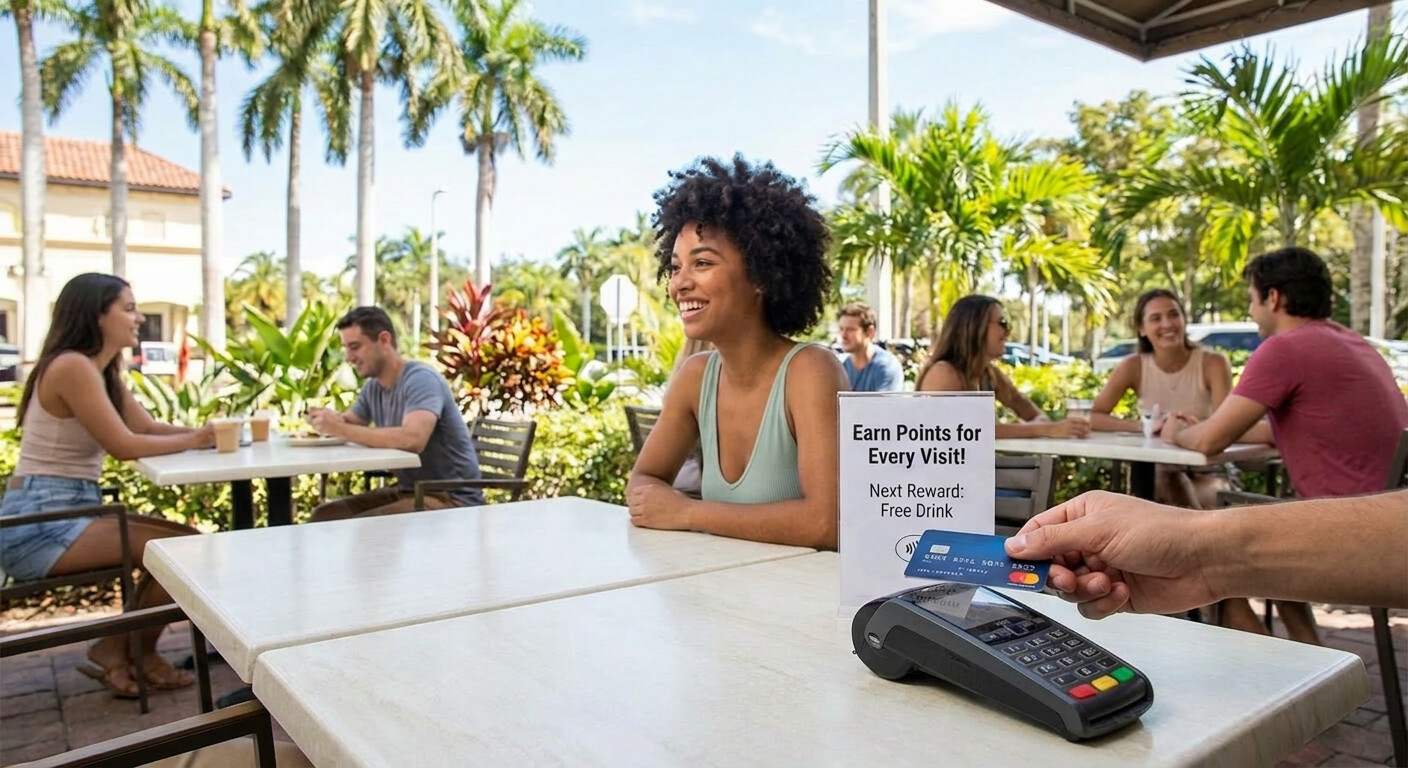
If the data shows your program isn't moving the needle, don't double down on the same structure. Test new reward tiers. Adjust communication cadence. Simplify the redemption process. Most businesses that see loyalty ROI didn't nail it on the first try — they iterated based on what the numbers told them. Integrating point of sale systems that track member transactions can provide the granular data needed to make informed adjustments.
When to Bring in Outside Help
If your program mix includes multiple tiers, digital integration, or partnership rewards, you're in territory where DIY gets risky. A loyalty consultant or CRM specialist helps you identify what's working, what's not, and how to structure incentives that actually change behavior. They also help you avoid the trap of rewarding existing habits instead of creating new ones. Businesses looking to enhance their customer retention strategies should explore comprehensive marketing systems that integrate loyalty with other customer engagement tools.
It's not just about boosting this quarter's numbers. It's about building a system that keeps customers coming back and spending more over time — without eroding your margins or creating unsustainable expectations. Modern payment solutions can seamlessly integrate loyalty tracking with transaction processing, making it easier to measure program effectiveness in real time.
Programs That Pay for Themselves
Launching a loyalty program isn't the hard part. Structuring it to drive measurable repeat sales — and proving it with data at review time — that's where businesses get caught off guard. There's no excuse for running a program blind when the metrics are there for the taking. But there's also no forgiveness when you ignore the signals and keep funding a strategy that doesn't convert. For businesses accepting payments across multiple channels, understanding e-commerce integration with loyalty systems can unlock additional revenue streams and customer insights.
We help South Florida businesses do more than launch loyalty programs. We help them build systems that drive frequency, increase spend, and create defensible competitive advantages — with clarity, speed, and an understanding of what it means for their revenue, not just their member count.
Ready to Transform Your Loyalty Program?
Let’s make your loyalty program work harder for your business. We know what it takes to turn customer engagement into real, repeat sales—and we’re here to help you get there. If you’re ready to see measurable results and want expert guidance tailored to your goals, give us a call at 866-944-3244. When you’re ready to take the next step, contact us and let’s build a loyalty strategy that delivers real ROI together.
‹ Back